The Open Question
The brain continuously generates protein waste that must be removed to maintain normal function. Impaired clearance has been linked to ageing and neurodegenerative diseases, including Alzheimer’s disease. Most knowledge about brain drainage pathways comes from experiments that inject tracers into the cerebrospinal fluid, but these approaches may not accurately reflect how proteins produced within the brain are cleared under normal physiological conditions. Key questions remained about which routes endogenous brain proteins use, which cells are involved in monitoring this process, and how clearance is altered in disease.
The Approach
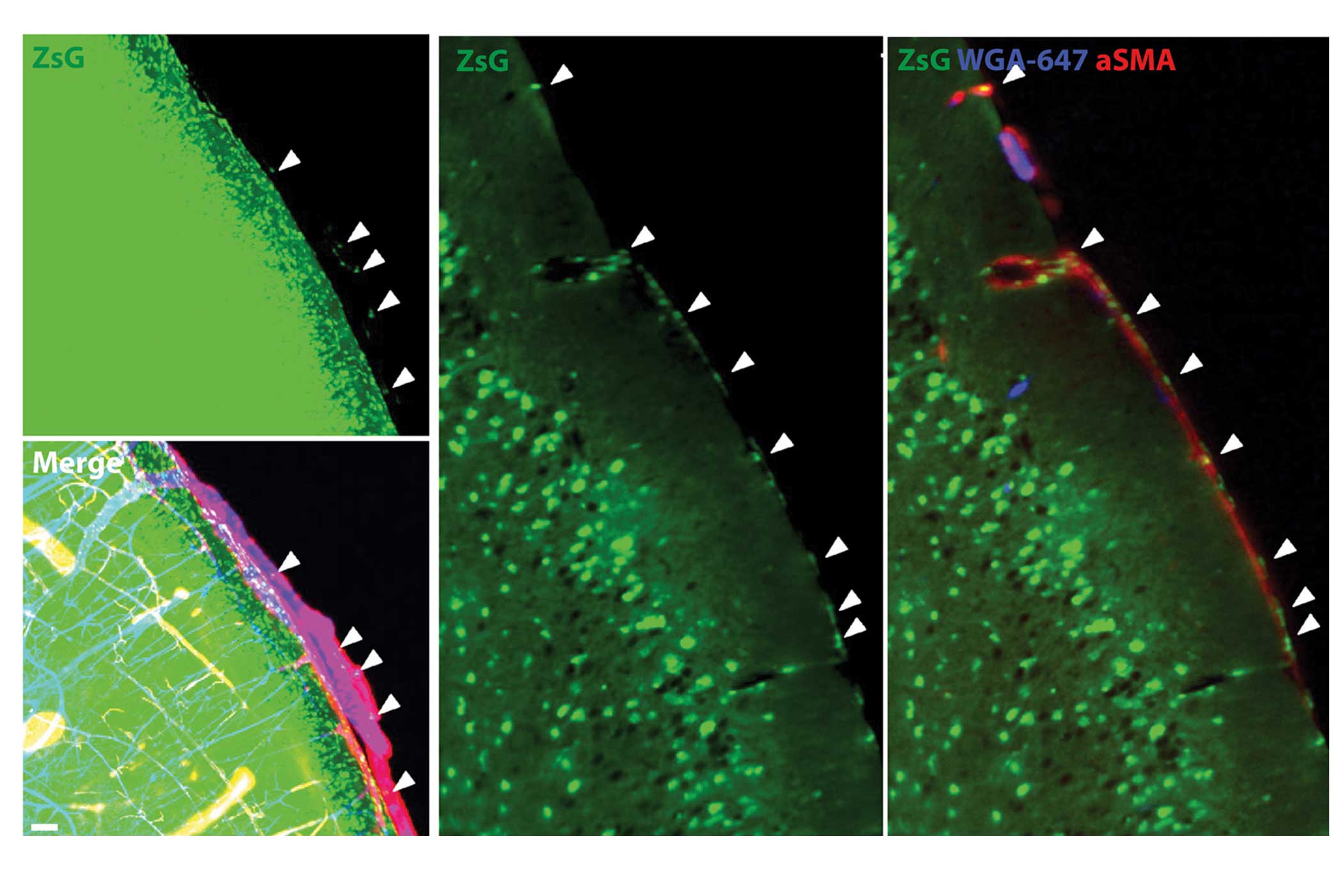
We developed a non-invasive genetic tracing system to follow neuron-derived proteins from the brain into border tissues. The team combined whole-body imaging, bioorthogonal protein labelling, pulse-chase analyses, and transcriptomic profiling.
What the Data Showed
Neuron-derived proteins followed clearance routes that differed from those identified by conventional CSF tracers. Clearance was organised according to a “nearest exit” principle, with different brain regions draining through distinct pathways. Skull-associated clearance was slower than drainage through dural and nasal routes. Border tissues contained immune cells that sampled neuronal proteins, including tolerogenic skull-resident B cells. Neuroinflammation and amyloid pathology disrupted clearance through distinct mechanisms.
What This Changes
These findings provide a revised view of physiological brain waste clearance as a compartmentalized network of drainage routes and immune niches. We can now identify distinct ways in which inflammation and neurodegenerative pathology impair clearance. That opens the door to targeted interventions at brain border compartments.
Relevance for CRC1744
Brain waste clearance is central to neurovascular health. This study shows how inflammation causes vascular leakage and amyloid pathology obstructs border exits — directly relevant to CRC1744’s focus on cerebrovascular disease and neuroinflammation. SFB 1744 members Matthias Brendel and Ali Ertürk contributed to this international collaboration.